
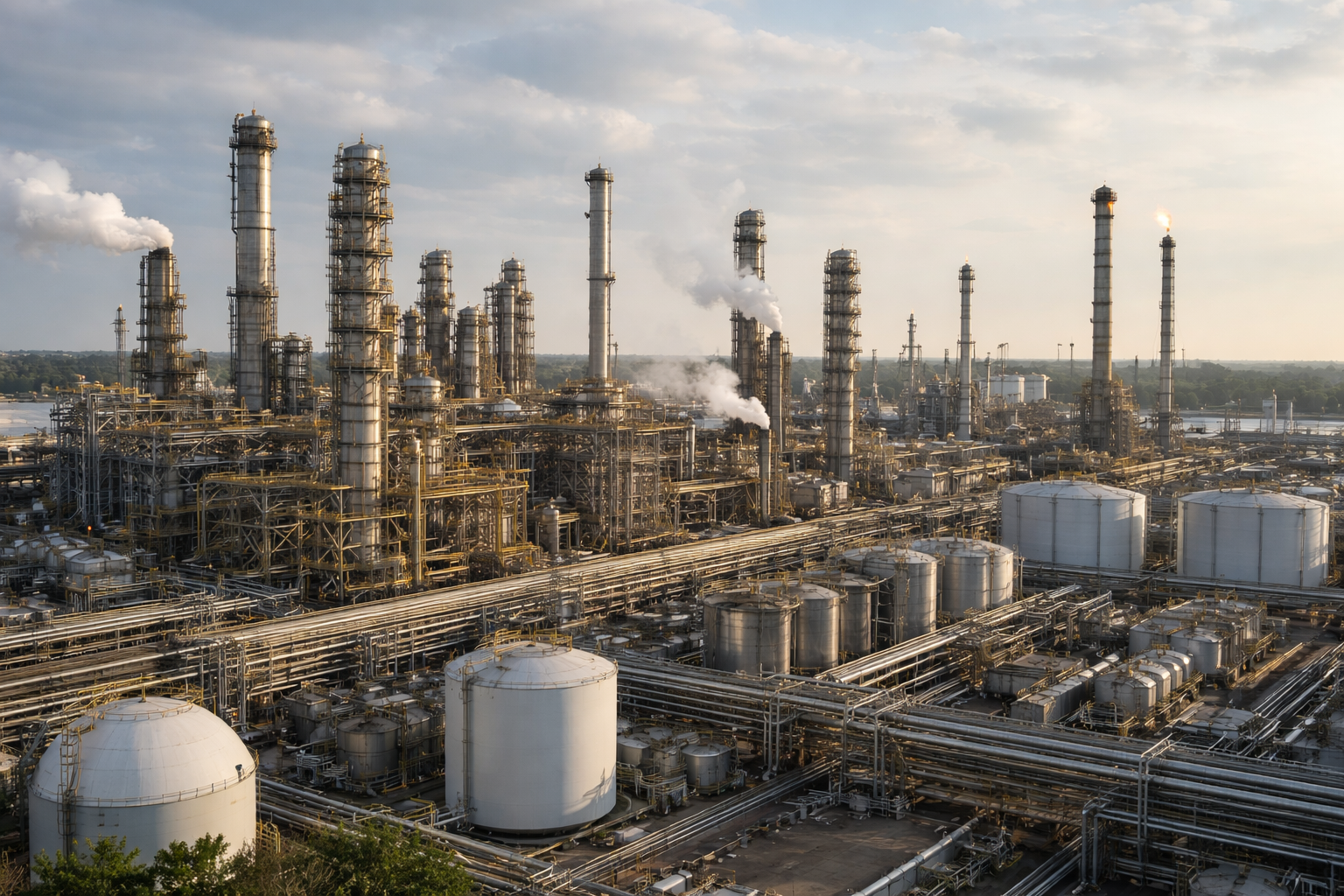
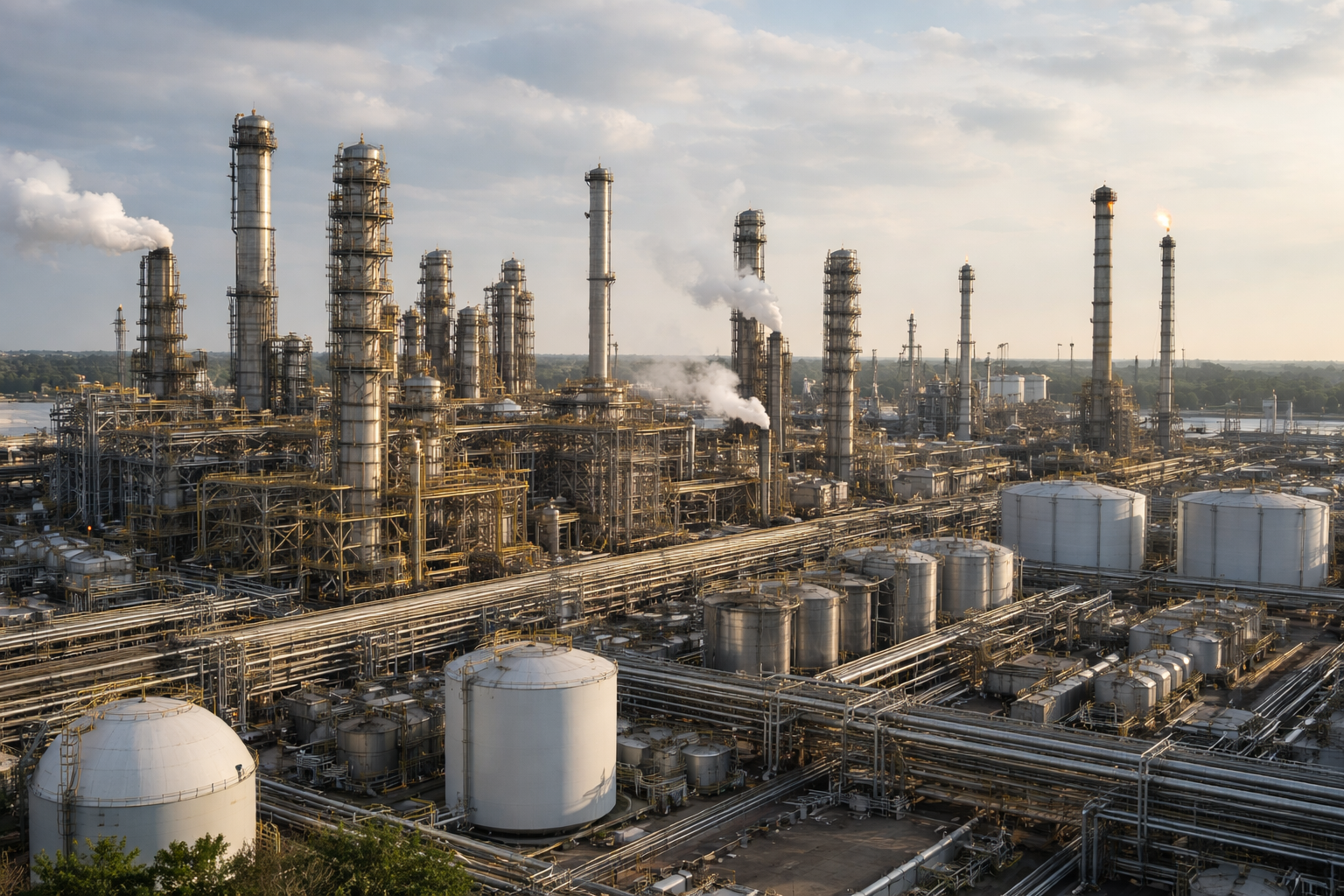
With the US oil prices printing a new high of nearly $120 before retreating this week, Wall Street is on high alert.
The escalating US-Iran war has sparked fears that a spike in energy prices will trigger a significant stock market correction or even a full-blown bear market.
As investors weigh the risk of a 20% drawdown, CFRA Research has released a historical analysis of how previous oil-induced crises have rattled the benchmark S&P 500 index.
What history tells us about an oil shock driven bear market
According to CFRA’s chief investment strategist, Sam Stovall, the S&P 500 has weathered 18 bear markets since the Great Depression, but only three were primarily driven by oil shocks.
On average, these energy-led downturns lasted roughly 13 months and resulted in a just under 30% decline in the benchmark.
The most severe of them occurred in January 1973, when an OPEC embargo caused oil prices to quadruple.
This triggered a grueling 21-month bear market that saw the S&P 500 plummet over 48%.
However, the 1973 event is the outlier that skews the average, as other instances like the 1956 Suez Crisis and the 1990 invasion of Kuwait saw notably more modest declines of 21.6% and 19.9%, respectively.
The impact of energy market crisis on stock prices
The primary threat to stocks during an oil shock isn’t just the price at the pump – it’s the systemic “crunch” on the consumer.
Persistent high energy costs act as a functional tax, forcing a significant pullback in non-essential spending across the economy.
Furthermore, surging oil prices typically ignite inflationary pressures, which in turn push interest rates higher.
This dual-threat environment makes borrowing more expensive while simultaneously curbing loan demand.
At one point after the recent US-Iran hostilities began, Western Texas Intermediate (WTI) futures were seen trading as much as 50% higher.
While the S&P 500 has only slipped roughly 2% as of last Friday, rising yields on 10-year Treasury notes suggest the broader market is beginning to price in a more restrictive economic environment.
Brace for a huge stock market correction then?
Despite these data points provided by history, analysts warn that no two geopolitical crises are identical.
The 1990 oil shock, for instance, barely met the technical 20% definition of a bear market and lasted only three months.
Conversely, the 1979 Iranian Revolution doubled oil prices, but occurred during a “lost decade” for stocks, making its specific impact harder to isolate.
Today, investors find themselves at a similar crossroads. “No one knows if the current crisis will result in a new ‘garden variety’ bear market (-20% to -39.9%) or another meltdown,” Stovall cautioned in his Monday note.
With the Strait of Hormuz effectively paralyzed, the duration of the current market volatility will likely depend on how quickly a resolution is reached in the Middle East.
The post Here’s how long an oil shock-driven bear market lasts on average appeared first on Invezz